
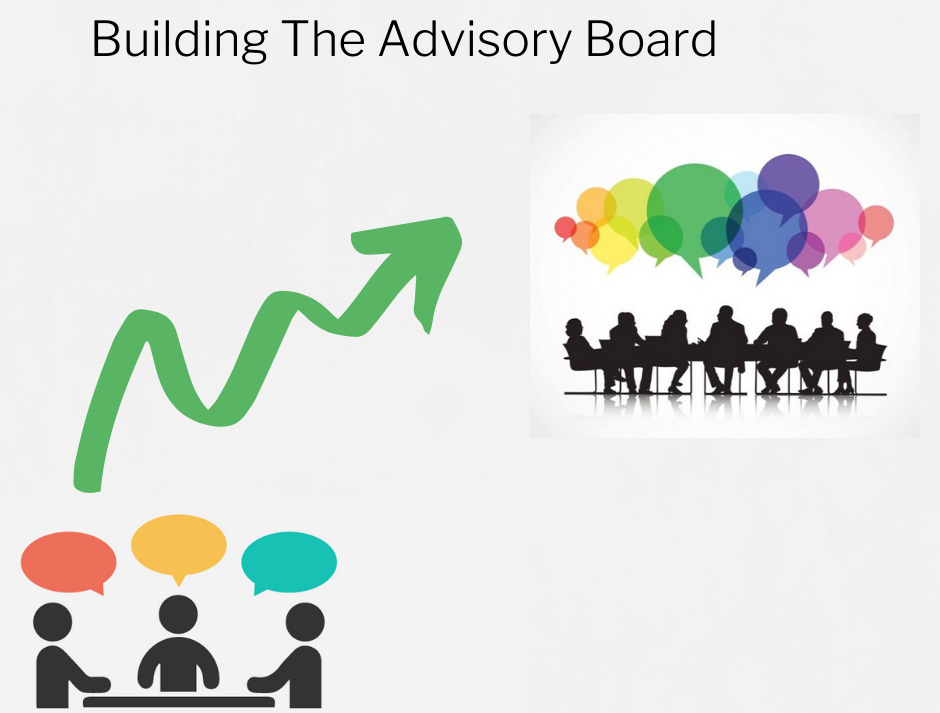
Board formation is critical for start-ups or small companies as the investment community tends to evaluate a board based on the members mix of skills and abilities. Start-up boards are also more active and involved in supporting the management team, so the biggest names may not always be the best board members.
Reaching the point of exhaustion dealing with corporate politics or difficult managers is a common reason to become an entrepreneur and launch a new business. Operating without oversite is a dream for many, at least until there is a need for additional capital or help navigating corporate challenges. Most start-ups realize the requirement for an advisory board only when investors begin asking questions or needs arise for understanding areas beyond the existing team.
Most preliminary advisory boards are built using one or both of the following techniques:
Finding every high-powered executive in the industry and asking them to be on the advisory board, sometimes even promising minimal demands on their time. We have seen several start-ups follow this path and list executives from Fortune 500 companies or prominent politicians. Unless there is a strong personal connection, most investors realize these people rarely have the time to act as mentors or help guide companies during its growth phase.
Recruiting friends and family members to join the board. Most of the time this strategy creates greater challenges due to the more personal relationships limiting the ability to have difficult conversations or push back on decisions which may not be in the best interest of the company.
Building The Board
Small or start-up advisory boards tend to be more involved in day-to-day operations of a company when compared with boards of larger or established companies. Balancing a more active board tends to involve focusing on a mix of those members who are either internally or externally focused.
Externally Focused Board Members: People with deep industry contacts who are able to provide the company a mix of:
Contacts and warm introductions to potential customers or industry partners.
Ability to connect with larger investors or institutional funds to assist with subsequent financing.
Internally Focused Board Members: Provide feedback and support to the management team:
Provide a diverse management or operational background to help guide less established start-up teams.
Able to review key presentations or fill gaps in the management team, such as CFO level guidance or specific engineering talent.
A start-up advisory board should be considered an extension of the management team and a powerful asset to a growing company. Building the right board takes time and should be an ongoing process including adding or removing members as needs change. Start-up teams should be less concerned about choosing the headline names and more focused on finding those who can fill gaps or provide needed support to the company.