

Happy Thursday, 👋
Founders and startup teams are inherently optimistic, driven by the ambition to transform ideas into products or services against formidable odds. This optimism is essential, especially in times of crisis. A recent global survey revealed that 96% of organizations have experienced unexpected business disruptions in the past two years, with 76% of these events significantly impacting operations.
Given these statistics, it's evident that almost every company will encounter challenges. Larger companies often have dedicated crisis management teams to address such situations. However, for smaller, unprepared startups, a crisis can have devastating effects.
Defining Crisis
A crisis is a unique and unexpected event, often referred to as a novel event. Consider these examples:
⚒ Routine Challenge: Prototype fails another round of testing
🔥 Crisis: Product overheats and catches fire in customer homes
⚒ Routine Challenge: App fails to load for some customers
🔥 Crisis: App exposes bank data; hackers steal millions from customer accounts
Routine challenges are setbacks that are expected as part of a startup’s journey. A crisis, however, is unforeseen and typically has company-wide impacts that the leadership team may not have anticipated or experienced before.
Crisis Management for Startups
With limited resources, it's crucial for startups to plan for crisis management. It's better to have a plan and not need it than to be caught unprepared. The first step in developing a crisis plan is appointing someone to oversee its deployment and management. Next, we recommend the following four-step process for startups to manage a crisis and incorporate new information as it arises.
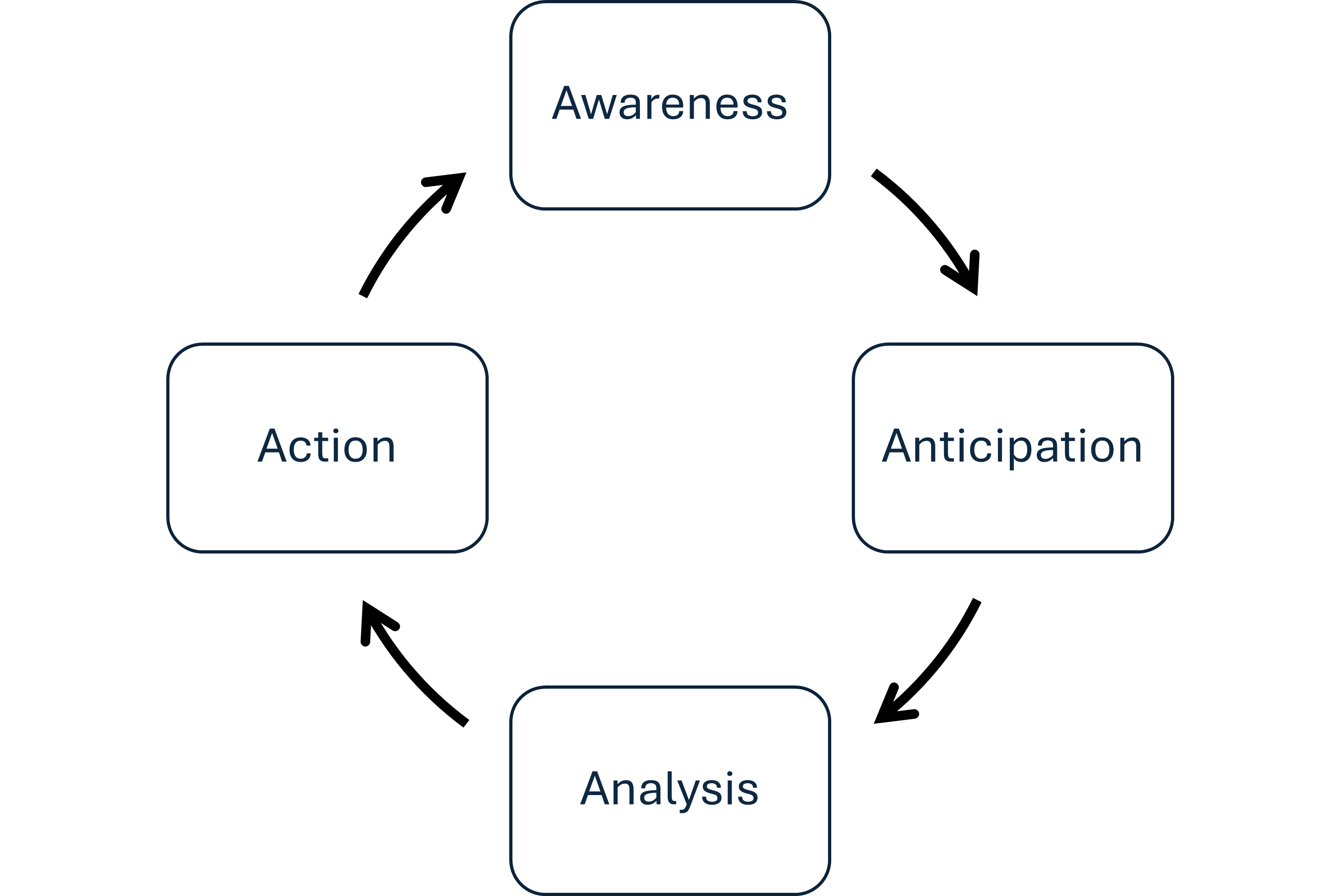
This process is iterative, with each step building on the previous one as new information is discovered or the situation changes.
Awareness – What Happened? Gather and assimilate key information about the event. Conduct a quick assessment to understand the situation and its impact on the company. Initial information will be limited.
Anticipation - What Could Happen Next? Project forward based on the initial information. Develop potential outcomes and monitor how each situation unfolds.
Analysis – What Ideas Do We Have? Develop and evaluate ideas and alternatives for action. Determine the best course of action for each potential outcome and select the ideal options to utilize.
Action – Respond. Implement the selected actions and evaluate the responses. Assess whether the responses are effective and continue gathering information.
Timing is critical in a crisis. Teams should aim to work through this initial process within a few hours. During a crisis, expect a constant stream of updated information, necessitating multiple revisions to action plans.
Delaying action can damage a company’s image more than adjusting an initial plan. Media, customers, and investors prefer to know a company is actively responding and adapting rather than spending days in assessment mode.
Additional Thoughts
Startup teams excel at overcoming routine challenges, but unexpected novel events can derail even the strongest teams. While these events are rare, poor crisis management can be detrimental.
Investing a day or two to outline a crisis plan can be one of the least expensive insurance policies for a startup and its investors.
Wishing everyone a great weekend,
-The Caymont Ventures Team.