
Happy Thursday, 👋
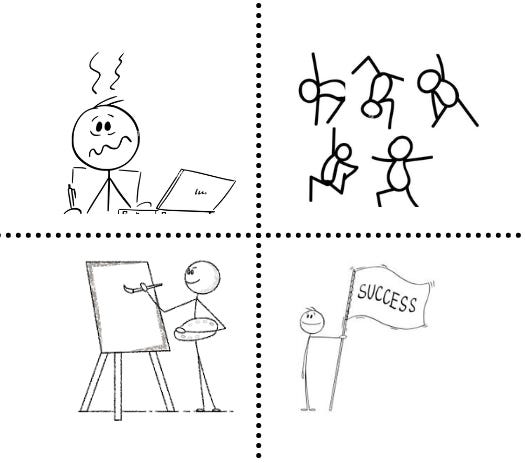
We are taking a break from our usual venture discussions this week to review a topic we often explore during due diligence. During a recent meeting we were told several times how a company was pursuing hypergrowth by scheduling team meetings seven days a week to maintain momentum. Sometimes meeting a deadline may require such an intense schedule but if a company culture is built on 24/7 dedication it often leads to increased turnover and employee burnout. The discussion reminded us why some of the most successful founders and executives are ones which balance work with a strong dedication to external hobbies.
Understanding a management team and becoming confident in their ability to lead a company through good and bad times is one of the many challenges for board members and investors. Business leaders and founders often find it difficult to detach from work as often their thoughts continuously drift toward overcoming challenges or expanding market share. Society and social media heroize the idea of a 24/7 work culture, but the reality of lacking balance often leads to poor decisions and exhaustion.
External activities or interests can shape how executives perform during periods of increased stress. We often suggest asking about hobbies when interviewing corporate executives as the responses help frame how someone may cope with stress or bring alternative perspectives to a business decision.
Burnout Challenges
Estimates indicate over 60% of professionals are likely on the edge of burnout and those feeling increased stress at work have a higher chance of exploring other career opportunities. Active engagement in activities outside of work is one of the best ways to avoid burnout and reduce stress as it allows the mind to shift its focus and move work related issues into the subconscious.
Yoga studios, game rooms, or in-office massage therapists are some of the many company provided benefits to help employees relax and destress. Remote only companies often book group activities or workout classes for their employees. All of these options are attractive benefits but studies are discovering these perks may not be the best approach to mitigate employee burnout as company specific non-work activities often increase overall stress levels. If managers take part in the weekly yoga or spin class, employees may believe they also need to attend the same classes to be viewed as a team player or attendance is required for a promotion. Other companies may track employee use of benefits, leading to additional stress as employees question if a certain level of usage may factor into their performance reviews.
Providing full discretion over non-work activities is emerging as a better option for employees to detach and destress. The concepts involve providing employees a set amount of discretionary compensation to put toward extracurricular activities, reducing the potential for political undertones.
Hobbies Are Helpful
Developing an intense focus on an activity allows the brain to rest and recover similar to how a professional athlete performs cross training exercises to improve muscle recovery. A baseball pitcher does not spend every hour of training throwing pitches, instead they do a variety of workouts which help improve overall performance. Using the same theory and finding hobbies which engage different areas of the brain allow us to practice alternative approaches to problem solving and develop unique perspectives on overcoming business challenges.
Small or emerging companies often begin as a result of transitioning a hobby into a business venture, requiring an alternative approach to reduce stress or mitigating burnout. Several years ago we began suggesting founders explore the practice of mindfulness as a tool for shifting their mental frame of reference when a hobby becomes a successful business. Taking a few minutes to focus on breathing and allowing yourself to just be present in a moment can often reduce the chance of career burnout similar to engaging in a hobby.
Launching a successful company requires overcoming several challenges, but maintaining consistent growth involves developing a team capable of embracing unique solutions by allocating time to pursue mental cross training such as hobbies or mindfulness. Embracing a new hobby may become one of the best ways of achieving business success.
Wishing everyone a great weekend,
-The Caymont Ventures Team.