
As renewable energy becomes a larger source of electrical generation it requires a stable and reliable source of electricity storage to maintain consistent grid supply. Large scale battery technology remains the leading source of electricity storage, making it an ideal industry for innovation. We recently met with a company developing a solution to a key challenge with zinc batteries so have spent the past week doing a more detailed overview of industry.
Almost half of the electrical generation capacity added to the US power grid in 2022 will consist of solar power, more than twice the increase in fossil fuel capacity. According to the EIA, solar and wind power comprises 22% of the total US electrical supply, almost as much power as coal or nuclear generation. Unlike traditional fossil fuel plants, renewable energy does not provide a stable and consistent source of generation so requires a system of electricity storage to stabilize the supply.
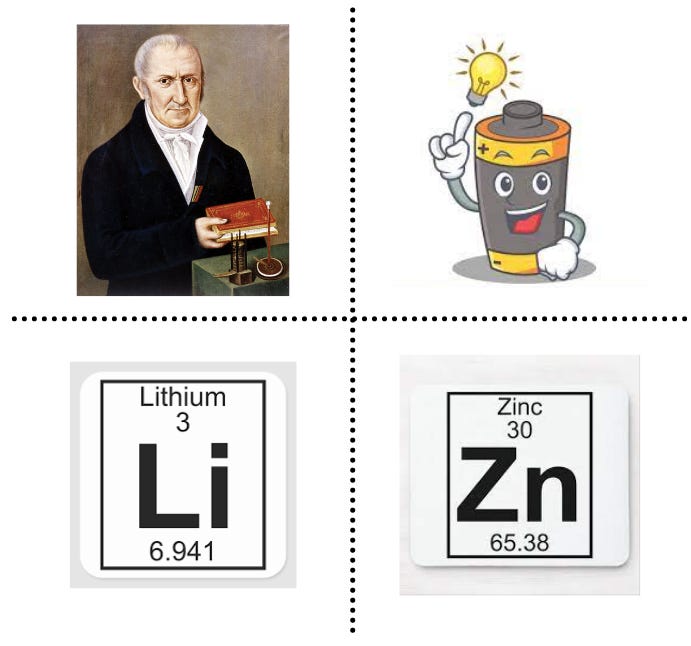
Several forms of electrical storage have been tested but large scale battery technology remains the leading option given its ease of installation and low maintenance. Use of battery technology to store electricity is not a new concept as it was originally developed over 220 years ago by an Italian physicist Alessandro Volta which is also where we get the term “volt”. Alessandro’s first battery was built with a column of alternating discs of zinc and silver, making zinc the first form of battery technology.
How It Works
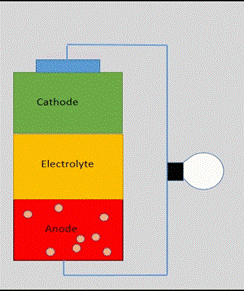
The operations of an electric battery have not changed much since Alessandro’s Voltaic Pile, as energy is released from ions traveling between the anode (negative charged section) and cathode (positive charged section), the opposite movement occurs when a battery is recharged. The gap between the anode and cathode is filled with a liquid electrolyte solution which allows the ions to move between the different polls of the battery. The electrolyte solution takes on different forms depending on the type of battery, as lithium batteries tend to use a combustible solution requiring increased cooling and fire suppression. Zinc batteries do not use a combustible solution so have quickly become a more common alternative for residential solar systems.
Marketplace
The global market for grid battery storage is expected to reach $15 billion by 2027 and continue growing as grid storage increases alongside expansion of renewable generation. Lithium batteries are the incumbent storage solution based on energy density and low cost of operation, but these batteries also have high operating temperatures and an increased chance of combustion. Last year a lithium-ion battery storage facility in Morris, IL burned for four days as firefighters were unable to extinguish the blaze and eventually ended up using over 30 tons of cement to stop the fire.
Zinc batteries are an alternative to lithium ion and able to achieve a comparable energy density but have been less popular due to size constraints. For large scale grid storage, zinc offers a viable alternative as 35% of the world supply of zinc is found within the US compared with only 1% of lithium reserves. These statistics indicate the potential to reduce supply chain challenges as one of the world’s largest zinc mines is located in Red Dog, Alaska. Zinc ion production for batteries also emits two-thirds less greenhouse gas than production of lithium ion and is easier to recycle, further supporting its environmentally friendly aspect.
Overcoming Challenges
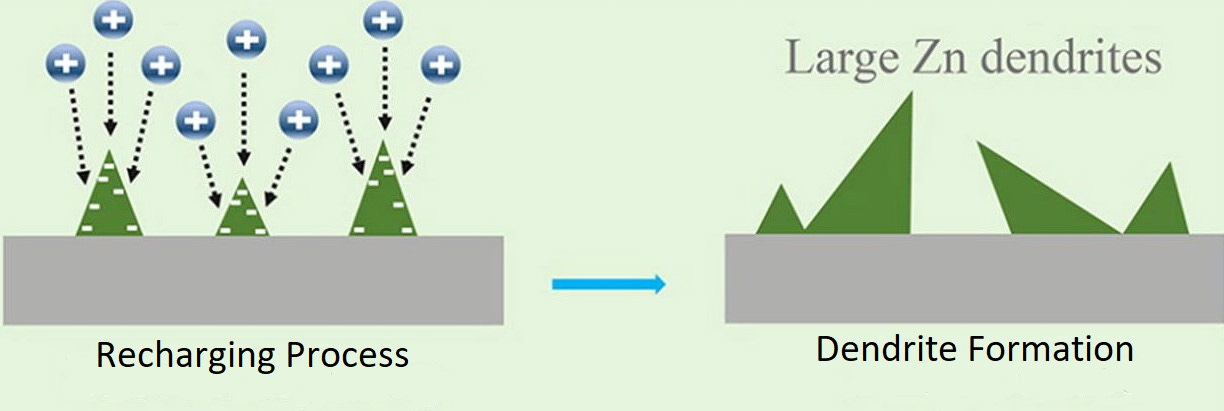
Although zinc based batteries eliminate several challenges associated with lithium, over time zinc batteries can degrade and stop working. As a zinc battery recharges, the ions develop uneven deposits called dendrites which eventually grow large enough to bridge the gap between the anode and cathode, causing a short circuit the battery. We recently met a company which developed a process to solve the dendrite problem using a chemical additive to the electrolyte solution. The process does not require significant changes to the battery production process and is capable of increasing the life of a zinc battery.
Next Steps
Growing renewable electricity generation will require similar growth in electric grid storage options. As battery technology remains the leading method of storage, we continue to explore options to invest into the broader segments of the industry. The form of battery storage may change but technology which improves the fundamental chemical process of battery storage has the potential to significantly shift the large scale battery industry toward the more accessible and environmentally friendly zinc options. We always appreciate the opportunity to share our ideas on new opportunities, so let us know if you have an interest in a further conversation as we continue to build our venture investment portfolio.