
Howdy, 🤠
One of the most exciting days for a founder is the first day of the new company. Maybe they have just resigned from a corporate job or left the academic world to launch a new venture. The idea that occupied nights and weekends now has their full attention. There is finally time to build something that just might change an entire industry.
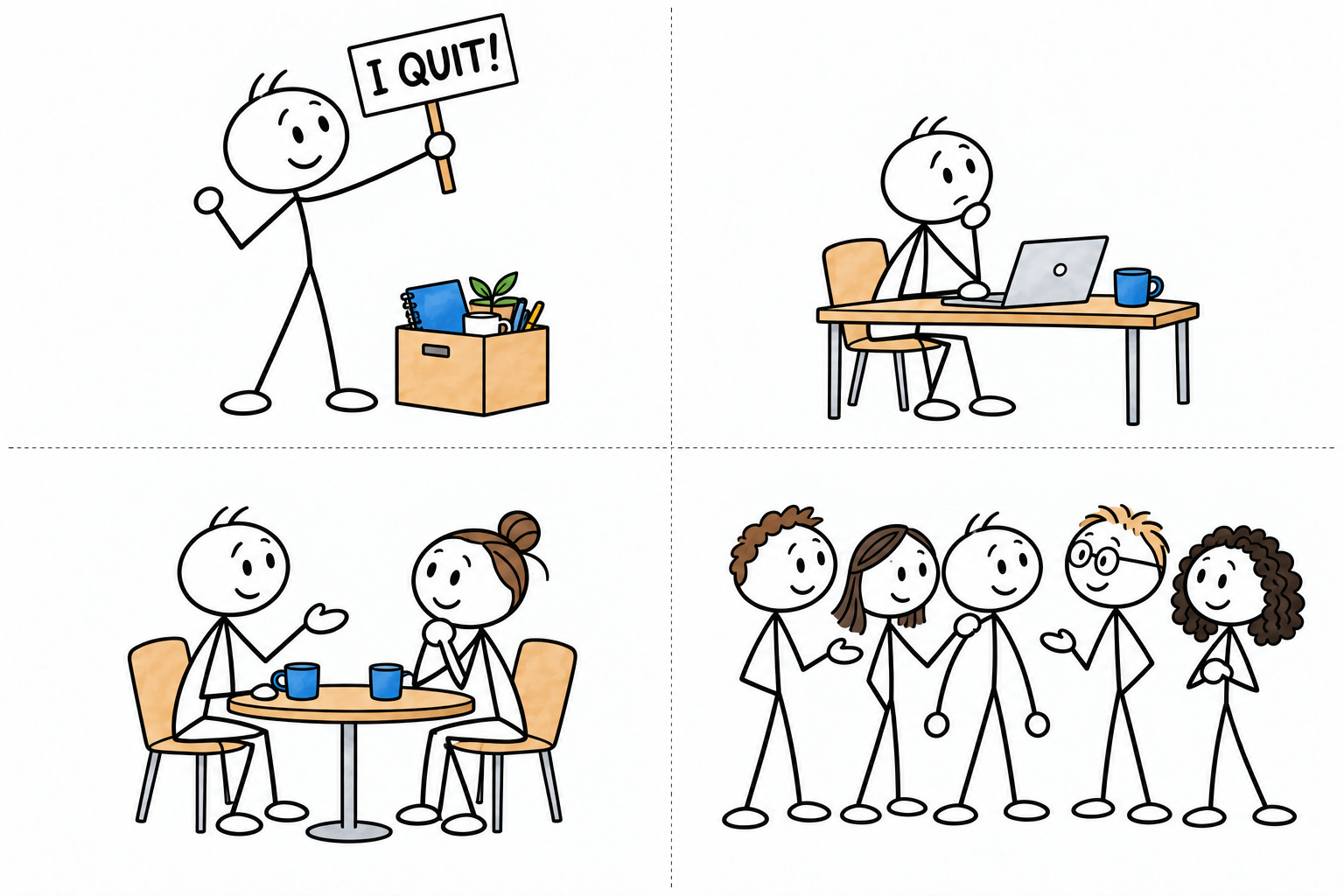
Then comes the realization of how quiet things have become. The standing meetings have vanished from the calendar, nobody is waiting for a project update, and there is no email about an operational fire drill. That first Monday can feel like freedom, emptiness, or a little of both.
The quiet also reveals how much the prior corporate job provided beyond just a salary. Even a frustrating workplace offered people to talk with, a structure to each week, and some built-in measure of progress. Leaving means deciding how to rebuild that support.
More founders today are launching as solo entrepreneurs with technology and AI expanding what they can do independently. Carta’s 2025 Solo Founders Report found the share of new startups with a single founder grew from about 24% in 2019 to over 36% in the first half of 2025.
As AI expands what one person can accomplish, founders can devote more attention to the product, financial runway, and prospective customers. We believe they should also be just as deliberate about building the community around them. The ability to do more independently does not remove the need for people who understand what they are trying to build.
When Quiet Becomes Isolation
Having control over the calendar is a real benefit of being a founder. There is room to think through a difficult problem or spend an uninterrupted afternoon building something. After years of switching between meetings and competing priorities in a corporate job, that uninterrupted concentration can be surprisingly productive.
The challenge is recognizing when working independently begins to narrow our perspective. A slow week can start to feel like evidence that the idea is wrong, while one encouraging customer conversation can seem to validate the entire business. A casual expression of interest from an investor can make the next funding round feel closer than it is. These moments can shape a founder’s next decision, so it helps to have someone who can put them in context and ask the hard questions that lead to a more balanced view.
There is also the loss of a shared perspective on progress. Inside a larger company, a colleague may remember the challenges of a project six months ago and notice how much has improved. A solo founder often moves straight to the next unresolved problem, overlooking how far the company has already come. When nothing seems to be going right, someone familiar with the journey can help bring that progress back into view.
A 2024 study explored these experiences through interviews with a small group of solo founders in London’s fashion industry. Supportive relationships appeared to ease loneliness, which should not be a big surprise. What was more interesting is finding that broader professional connections appeared to have less impact on loneliness. Although the study is small and specific to one industry, it points to the value of having relationships outside the professional context where founders can talk openly about challenges. It helps to have people with whom we feel comfortable discussing startup ideas and challenges without feeling that every conversation needs to be a polished presentation.
People Who Understand
A founder’s community can serve several purposes, and no single person needs to provide everything. A mentor may be particularly helpful at questioning assumptions or working through an important decision. Someone who has built a startup can also help recognize progress that might be difficult for a founder to see from inside their company.
Conversations with more experienced founders offer context for the numerous challenges a startup encounters. Hearing how someone handled months of slow customer responses can be reassuring, especially when they explain what persuaded them to keep going or eventually change direction. These conversations give a solo founder better ways to think through the current situation, even when the circumstances may be different.
Another founder at a similar stage can also understand the immediate challenges without requiring much explanation. There is value in a conversation where neither person feels the need to spend time preparing for a discussion. A founder should have somewhere to openly discuss the frustration when a promising customer goes quiet or when a possible pivot of the business is still difficult to explain. That is one reason we suggest founders consider spending at least a few days a month working out of a startup hub or coworking facility. Over time, these interactions can develop into familiar relationships that help sustain a solo founder.
People outside a founder’s industry can also offer valuable perspectives. Curiosity about what someone else is working on may lead to useful ideas or unexpected connections. We have even seen founders get introduced to prospective customers through relationships in unrelated industries.
Friends and family provide another kind of support. They might have little interest in the latest prototype but still care about how the founder is doing. A lunch or dinner without any discussion of customers, code, or cash runway can provide a welcome break from analyzing the past week. A founder needs room for the parts of life beyond the company.
These relationships grow through repeated conversations and mutual interest. Asking how another founder’s customer meeting went, making a useful introduction, or just listening at the end of a difficult week helps build the trust that makes candid conversations possible. Community takes shape as people become familiar with one another over time.
Keeping Humans In the Loop
AI can help a founder prepare a pitch deck, write code, research potential customers, and work through a strategic question. In our recent essay A Worthy Opponent, we explored how AI can also help construct a strong argument against a founder’s plans. These capabilities are valuable even for someone who already has a strong professional network.
A human relationship adds something beyond the answer to a question. A mentor or fellow founder can describe what a difficult decision felt like before the outcome was known. A trusted peer in another industry might notice that the same concern keeps returning across conversations. Someone who believes in the business may introduce the founder to a prospective customer and put their own reputation behind that introduction.
AI can help organize the facts, identify assumptions, and suggest questions worth asking. The person across the table brings their own experience and a supportive relationship that continues even after the immediate problem has been discussed.
Final Thoughts
Launching a new venture as a solo founder puts you in control of your calendar. Without the structure of a corporate job or academic career, it is up to you to figure out how to move from an idea to a revenue generating company. There may be a rush to fill the calendar with time for coding, prototypes, and customer conversations. Making room for people who can question a decision, help recognize progress, or simply listen after a difficult week deserves the same attention.
AI allows founders to handle more work and build longer before hiring a team. It can save time and shorten the path from idea to market, but it is not a replacement for community. Some of the most successful solo founders we know actively make time for weekly conversations with others in their network, whether over morning coffee, a quick lunch, or a few days working from a startup hub or coworking facility. Those relationships might lead to a key customer introduction, a possible solution to a challenging problem, or a reminder of progress when everything seems to be going wrong.
Solo founders may become increasingly common, but the familiar saying still holds: if we want to go far, go together.
Wishing everyone a great weekend,
-Eric.